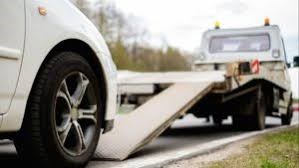
Roadside crises have this strange ability to arise precisely as you are already strained thin. You’re either speeding to Dallas for an early meeting or inching through that sluggish Fort Worth traffic after work; all of a sudden, your engine coughs, a warning light flashes, or your tire gives out, though it seemed OK that morning. Particularly with cars whizzing by and that familiar Texas heat resting on your shoulders, the mix of panic and doubt hits fast in those initial few seconds. Staying calm, knowing what follows, and recalling that help is closer than it seems will help to prevent the present from overpowering you.
More DFW drivers are turning to quick, app-based support through Liamgo’s emergency car services app because it offers something you really want in those tense moments: fast help you don’t have to overthink. And honestly, when you’re stranded on the side of the road, that kind of reassurance isn’t just helpful, it’s a relief. But once that first rush of panic settles, what really matters is knowing the right steps to follow, and that’s what the rest of this blog is here to walk you through.
Why Roadside Emergencies Are So Common in DFW
If you’ve lived anywhere in the Dallas–Fort Worth metroplex, you already know that breakdowns aren’t rare at all; they almost feel like part of the daily routine sometimes. The massive traffic volume plays a huge role. With thousands of cars stopping, accelerating, idling, and merging all at once, engines and brakes go through more strain here than in most places. Then there’s the weather, because North Texas seasons don’t exactly glide into each other. One hour, it’s high heat that pushes your tire pressure around; the next, sudden rain cools everything too quickly.
Every week, daily commuters from suburbs such as Plano, Mansfield, or Irving log great distances; hence, long-distance travel certainly impacts tires, belts, and batteries. Thus, when you combine heavy traffic, erratic weather, and lengthy commutes, you have all the ideal conditions for roadside crises. It’s DFW being DFW, not poor driving. And that’s precisely why trustworthy help is so important: you never truly know what your automobile will do next.
Step One: Prioritize Your Safety While You Wait
When something goes wrong, safety becomes the first step, no matter what caused the issue. Before calling anyone, a friend, a family member, or even a towing service Dallas provider, you want to make sure you and your passengers are secure. Vehicles can often be repaired or towed; people can’t be replaced. So, this step matters more than any other.
Move to a Safe Location if Possible
Steer your car toward the right-hand shoulder, the closest parking lot, or even a calmer side street if you can control it, if it yet has enough momentum to roll. Though a well-lit area is always best at night, please don’t force the car to move if it feels insecure. Usually, the safest course of action in heavy traffic situations is to remain in your automobile. Keep the doors locked, seatbelt fastened, and just breathe for a moment. The objective is simply to exit the active flow of traffic.
Make Your Vehicle Visible
Visibility protects you. As soon as you’re stopped, turn on your hazard lights. They alert other drivers before they even see your car clearly. Place reflective triangles, cones, or even a battery-powered flare in your trunk a few feet behind your car. DFW drivers travel quickly, particularly along highways like I-35 or I-75; hence, alerting them can help avoid a risky situation from becoming more serious.
Stay Aware of Your Surroundings
Try to remain mindful after your car has been secured without letting your anxiety overtake you. Observe traffic patterns; monitor the weather if clouds begin forming; and note any items or dangers around that might move toward the road. Being alert prepares you in case anything around you shifts quickly; it is not about being afraid.
Step Two: Assess the Problem Without Taking Risks
Almost every driver has that instinct to “just take a quick look” to figure out what went wrong. But roadside emergencies aren’t predictable, and what looks like a minor issue can become more dangerous in seconds. Some DFW drivers realize too late that their quick fix made things more complicated.
Something as simple as a flat tire might sound like a DIY moment, but not on a narrow shoulder or in 70 mph traffic. Getting professional flat tire help in DFW is usually the better choice, because it keeps you off the road and away from speeding vehicles. And if you notice smoke or steam, avoiding haste is even more crucial. Opening a hood too fast may expose you to extremely hot parts or a sudden pressure release; steam may simulate smoke. Modern electrical systems are more sensitive than they appear, and batteries can show minor symptoms before dying totally. You’re not expected to diagnose everything. A quick visual check is fine, don’t risk turning curiosity into danger.
Step Three: Contact a Reliable Support Service Immediately
This is the time to ask for help once you realize the difficulty is not safe to address alone. But this phase often causes the most stress: looking through your phone, trying to recall who you used last time, clicking through advertisements, fretting about price or waiting periods. That panic is normal, but it doesn’t make the moment easier.
Having access to a vetted towing service Dallas provider or dependable 24-hour roadside assistance Fort Worth takes the guesswork out of the process. You aren’t gambling on a random phone number or hoping someone picks up. Instead of trying to research providers on the side of the highway, a reliable emergency car services app like Liamgo gives you a one-tap shortcut. You open the app, send the request, and help starts heading your way. That alone reduces half the stress of the situation.
How the Liamgo App Makes Roadside Emergencies Less Stressful
Roadside emergencies feel chaotic, but Liamgo was intentionally designed to soften that tension. The app connects DFW drivers with verified professionals who handle towing, jumpstarts, fuel delivery, lockouts, battery issues, and, of course, flat tire help. Real-time tracking shows you exactly where your technician is, not “sometime between now and later,” but literally how far they are from reaching you.
The upfront pricing also removes the uncomfortable guessing game that usually comes with calling around for help: no haggling, no unexpected charges, no confusing explanations. You get clarity and speed at the same time, and that combination is surprisingly comforting when you’re stuck somewhere and feeling a little overwhelmed. Their official service page explains how the process works, but using the app in a real emergency feels even simpler. With one tap, you’re no longer handling the situation alone.
What to Do While Waiting for Help to Arrive
The waiting period can feel much longer than it actually is. Even with fast response times, every minute feels stretched when you’re stranded. How you use this waiting time influences your safety and how smoothly the rest of the experience goes.
Stay Inside the Car When It’s Safer
Generally speaking, staying in your vehicle is safest if you are trapped near fast-moving traffic. Your car establishes a defensive barrier between you and the road. Keep your seatbelt fastened and stay clear of the roadways, especially if you’re experiencing a breakdown on interstates like I-20 or 635.
Keep Emergency Tools Easily Accessible
If you have a roadside kit, keep it close at hand. A flashlight can assist the technician in examining the site when they arrive or help you signal your location at night. Also good to have within easy reach are your vehicle records, insurance card, and a portable charger.
Communicate Your Location Clearly
Liamgo’s GPS pin feature makes location-sharing simple, but knowing nearby markers or exits can speed things up even more. If you passed a particular exit a minute before stopping, mention it. If you see a gas station sign in the distance, note that too. These small details help your technician find you faster.
Monitor Your Phone Battery
Our phone battery often drains in an emergency; navigation apps, calls, and stress all contribute. If your automobile’s electrical system still functions, reduce your screen brightness, close noncritical apps, and connect your charger. Keeping a power bank in your backpack can be beneficial in situations like this.
FAQs
How quickly can Liamgo to the roadside assistance to reach me?
Arrival depends on your location, but the app always dispatches the closest available professional.
Does Liamgo offer flat tire help in DFW?
Yes, the app provides fast tire changes, repairs, and inflation support.
Can I request towing through Liamgo?
Absolutely. Liamgo offers reliable towing across both Dallas and Fort Worth.
Conclusion
Roadside crises can feel really intimidating when you are stuck on a busy road or standing in unpredictable Texas weather; they are not only irritating. Knowing what action to follow keeps you grounded even in challenging circumstances. The right assistance can completely alter how the event feels, whether you need towing service in Dallas, urgent 24-hour roadside assistance in Fort Worth, or fast flat tire service in DFW.
Liamgo was created to dispel that panic and instead provide something more stable: dependable specialists, open pricing, and an emergency vehicle services app that sends assistance directly to you. You do not have to confront the unexpected alone. You are already headed back toward safety with one touch.